Showing posts with label #fa23worldlit. Show all posts

Thursday, December 7, 2023

Five Years Next Sunday by Idza Luhumyo


Idza Luhumyo is a Kenyan writer. Her short story, Five Years Next Sunday, won the 2022 AKO Caine prize for African writing. The story is a mix of magical realism (in the sense of Marquez and the acceptance of otherworldly physically impossible events happening in everyday life. 


For this reading, you will write a reflective essay detailing your personal response to specific questions about the story, your understanding, your interpretation, and its relation to you as a story that opens up a window into another world. This final essay will be written in class on Tuesday, December 19th. You will write your essay in Google Docs and submit it to Canvas.


First read:
Five Years Next Sunday by Idza Luhumyo

(optional) Caine prize goes to ‘incandescent’ short story by Idza Luhumyo


While reading:
Annotate the reading with comments & questions


After reading:
Think carefully & deeply & write a reflective Blogger post on the reading / Label your blog post #fa23worldlit


Comment on your peers’ Blogger posts by searching Blogger using #fa23worldlit

DUE next class December 12th

Final Project: Work as individuals, think about this, and then answer the following question: Imagine you’re making a TikTok video, an Instagram reel, or a YouTube short. Out of all of the texts we’ve read this semester, what are the top five (5) most outstanding memorable quotes from the readings? Create your top five list, give some outstanding reasons why for each, give your list a memorable/appealing/captivating title, post the final list on your blog, and share the link on the #final-project channel. DUE Friday, November 22nd

Monday, November 27, 2023

“A Very Old Man with Enormous Wings” by Gabriel Garcia Marquez


Tuesday, November 21st


This week is an introduction to magical realism, or a way of representing the world through the addition of supernatural, superhuman, and superphysical elements that could not occur in our everyday reality. Think of what is possible in the Marvel world vs. what is possible in our world. Writers such as Gabriel Garcia Marquez created worlds where the impossible occurred as a way to draw attention to everyday realities in Colombia. He used metaphor to represent elements of love that tend to create both happiness and sadness, peace and angst, stability and upset all at the same time. For example, in his story Love in the Age of Cholera, the element of love is represented by disease, something that infects you and causes you to behave in ways you would not when (romantic) love is not present.


First read:
Gabriel Garcia Marquez, “A Very Old Man with Enormous Wings”


Then watch:
  • It's Lit! | Why Magical Realism is a Global Phenomenon ...
  • Magical Realism In 6 Minutes: Literary Fantasy or Fantastic ...
  • Gabriel García Márquez: The Making of a Global Writer
  • A Very Old Man with Enormous Wings Gabriel Garcia Marquez Audiobook

While reading:
annotate the reading with comments & questions


After reading:

1. think carefully & deeply & write a reflective Blogger post on the reading

2. consider the analyses you and your peers created on Jamboard and presented in class

3. label your blog post #fa23worldlit


Comment on your peers’ Blogger posts by searching Blogger using #fa23worldlit


DUE next class November 28th

Monday, November 13, 2023

Anton Chekhov, The Seagull


Tuesday, November 13th


First read:
Anton Chekhov, The Seagull
This story contains a reference to suicide. Please be advised.


Then (optional) watch:
Kean Stage performance of The Seagull (tickets $10 - $15 / Wilkins Theatre / Nov. 15-18)
OR
The Seagull, 1975
OR
The Seagull, 1972 (Russian w/ English subtitles / use your Kean Gmail account to log in)
OR
The Seagull, 2018 [Amazon Prime]


While reading:
annotate the reading with comments & questions


After reading:
think carefully & deeply & write a reflective Blogger post on the reading /
(optional) Compare the reading to the live performance OR film adaptations / Label your blog post #fa23worldlit

Comment on your peers’ Blogger posts by searching Blogger using #fa23worldlit


DUE next class (edited)


Thursday, November 2, 2023

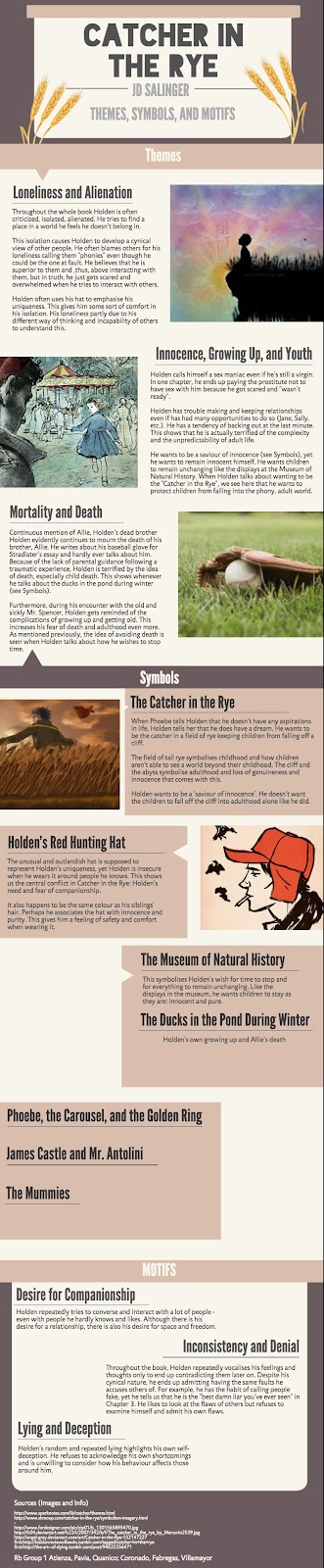
Midterm Project: World Literature + Me - Create a Literary Infographic


This is the Midterm Project for this course and is meant to be more ambitious, creative, and reflective. Create a project that you will feel proud to put in the #fa23worldlit archive and that will inspire future learners. 

The Literary Infographic

An infographic is a visual image such as a chart or diagram used to represent information or data in an easily understandable form (OED). In this project, you will create an infographic that represents the themes, motifs, and symbols of one of the readings from our course.


First,

  • Create an account with Canva using your Kean Google account.
  • Familiarize yourself with the environment
  • Once your account is created, search up “infographics” in Canva
  • Look through the infographic templates available (use one of the available free infographic templates)

Then

Revisit one of the readings from this semester


Then

Using Canva, create an infographic that describes and explains the themes, symbols, and motifs present in one reading of your choice.

  • Either work on your own or with a partner / Post in the #looking-for-group channel to find a group partner.
  • Watch tutorials on creating infographics using Canva.
  • View an example of the kind of literary infographic you'll create.
  • Choose a Canva infographic template to use.
  • Section your infographic into three areas: themes, symbols, motifs
  • Using a combination of text and images, highlight at least three themes, two motifs, and as many symbols as you'd like (if there are any). See the sample infographic below.
  • Refer to scenes from the reading to support a particular theme, motif, or symbol. Include the names of the characters involved in the scenes.
  • Here are some sample Literary infographics that focus on themes and characters.

Use your resources to help you create your infographic,

  • Consult the Resources for Projects doc.

  • Consult the "Ways into the Text" doc for your reading.

  • Consult your blog posts

  • Consult your annotations 

  • Consult the Literary Terminology spreadsheet when writing about the reading. 

    • Example terms by genre

      • Drama: character, plot, conflict, action; exposition, setting, theme, dialogue

      • Epic: hero, oral tradition, poetry, continuous narrative

      • Fiction: plot, character, setting, theme, point of view, figurative language 

      • Poetry: voice, diction


Submit

  • Share your infographic with me through Canvas.

  • Post a very short maker’s statement in your blog post describing the what, why, and hows of your process. What questions came up for you? Why? What problems came up for you? Why? How did you solve the problems?

  • Include a link to your infographic in the body of your blog post

  • Include the #fa23worldlit tag

  • Share a link on Slack to your Blogger post in the #midterm-project channel.


Sample:


Tuesday, October 24, 2023

Open Lab Time

Begin thinking about your midterm project


First, attend Open Lab Time

Open Lab Time is where you can come and chat with me and/or collaborate with your peers. If you aren’t available during those hours, remember that you can make an appointment to meet with me during my virtual office hours.

Then, write:
(1) By end of day on October 27: Write Midterm Self-Reflection
(2) (Optional): If you’ve missed a required post this semester, or if you just have something you must say about ‘The Tale of Genji’ Is More Than 1,000 Years Old. What Explains Its Lasting Appeal? or one of the films, you can publish a post to Blogger (in any genre: text, video, sound, image). Then highlight and comment on the posts of several of your peers.

DUE Friday, October 27

Monday, October 16, 2023

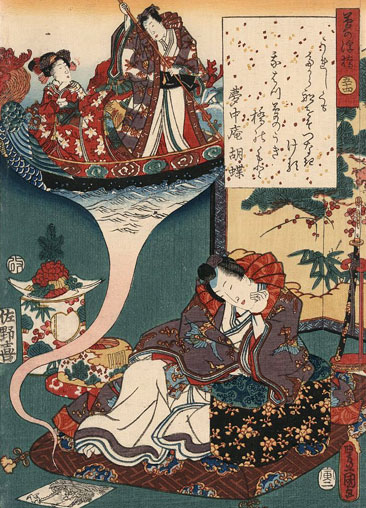
The Tale of Genji by Murasaki Shikibu


This week we will read an excerpt from The Tale of Genji, the 10th century Japanese novel written by Murasaki Shikibu a woman in the Heian period royal court.

First read:

The Tale of Genji


Then watch:

2010 The Tale of Genji: Invitation to World Literature (log in using your Kean Gmail account)
OR
(optional) 1951 adaptation / Japanese w/ English subtitles
https://ok.ru/video/2521439341222
OR
(optional) 1987 anime adaptation (content warning: partial nudity, sexual aggression)
https://archive.org/details/genji-monogatari

OR Picture-walk
(optional) The Tale of Genji: A Japanese Classic Illuminated


While reading: 
annotate the reading with comments & questions


After reading:
think carefully & deeply & write a reflective Blogger post on the reading /
(optional) Compare the reading to the film adaptation / Label your blog post #fa23worldlit

Comment on your peers’ Blogger posts by searching Blogger using #fa23worldlit


DUE next class 10/24


BONUS:

The Tale of Genji Excerpt - Ways into the Text
Glossary of Characters/Japanese Words from The Tale of Genji
Japan in the Heian Period and Cultural History: Crash Course World History 227
Tales From Another Page - The Tale Of Genji by Murasaki Shikibu
The Tale of Genji, Part One | Ancient Art Links
The Tale of Genji, Part Two | Ancient Art LinksHeian Literature and Japanese Court Women
Women in Classical Japanese Literature

Thursday, October 5, 2023

Antigone, Part 3 of the Oedipus Trilogy by Sophocles (III)


First, finish reading and annotating

Antigone

Then read section #7 of the following, 

While reading the article on Aristotle’s Poetics:

Annotate the reading with comments & questions using Kami(optional) Annotate the video. 

After reading both:
  1. Think about Antigone through the lens of Poetics, by including your thoughts on the following question:
    1. What is tragedy, according to Socrates?
    2. How does Antigone satisfy Socrates’ definition of tragedy? How does it not?
    3. Can tragedy be beautiful? If so, how? If not, why?
  2. Think carefully & deeply & add to your reflection on Antigone / Label your blog post #fa23worldlit / Share a link to your Blogger post in the #blogger-posts channel
  3. Search the posts of your peers on Blogger. Read the posts of your peers and add comments. Respond to comments.
(Already) DUE Antigone post + Antigone annotations (LAST CHANCE)

Then, do some group activities (next class)

Canvas Assignment: Socrates/Tragedy + Antigone.

  1. Website URL of your blog post reflecting on (1) Antigone and (2) Antigone as a tragedy through the ideas of Socrates' Poetics [wait to write this AFTER our next class's group activity]
  2. Kami annotated article on Aristotle’s Poetics

Your blog post should have at least two (2) paragraphs, one for each type of reflection.

DUE Friday, October 13 Socrates/Tragedy + Antigone add-on post and annotations for Aristotle’s Poetics

Friday, September 22, 2023

Twin Heros (of World Literature)


Where to begin with the epic tale of hero twins who defeat death and cause death to die(!). The Popol Vuh is an example of an epic, a narrative concerning the heroic(?) deeds of a major character; in this case, the heroic character is split into two, two twin boys. As sons of a father who is also a twin, it's apparent that twining, doubling, and splitting the responsibilities was an important characteristic of ancient Maya storytelling. Perhaps the idea is related to community and being in community with your fellow community members. Splitting the burdens, defeats, victories, and accomplishments among multiple beings reminds me of how responsibilities (and their consequences) are shared in a community, across communities in time and place, past and present.  

How do I situate it within the kind of world literature that David Damrosch discusses in "What is World Literature? Its presence from ancient times to now, from circa 2000 years ago to 2023, was established through transcription first (from oral to written) and then translation (from K'iche' to Spanish), with interpretations varying from literal to poetic. It's through translation that texts travel around the world. Among the Maya, the Popol Vuh might be considered a classic text (and perhaps sacred), one that withstands the test of time and points to important values that survive to this day. For those outside of the cultural tradition and time period, it is a window into another world, whether mythological or real. 


Antigone, Part 3 of the Oedipus Trilogy by Sophocles (I)


This story contains references to suicide. Please be advised.


First read:

Antigone

Then (optional) watch
Antigone (Sophocles: The Theban Plays) (1986)
Antigone (2019; French with English subtitles)
Antigone/Aντιγόνη - Ειρήνη Παπά, Μάνος Κατράκης (1961; Greek with English subtitles)


While reading:
Annotate the reading with comments & questions using Kami


After reading:

Think carefully & deeply & continue your reflective Blogger post on the reading / Label your blog post #fa23worldlit / Share a link to your Blogger post in the #blogger-posts channel


Search the posts of your peers on Blogger. Read the posts of your peers and add comments. Respond to comments.


DUE either of the next two (2) classes [your choice]


Then, do some group activities (in class)

During our class meeting in week 4, I will assign you to groups and you will collaborate on an in-class assignment. Each group will present their analysis to the class.


Now that you have been introduced to the concept of world literature and its significance, you will use the David Damrosch article as a starting point and provide a brief overview of his main ideas. In your groups, you will discuss the criteria, or standards, that Damrosch proposes for defining a work as world literature. Express your opinions and support your arguments with evidence from the readings.


  1. What are the implications of these criteria and what does it mean for a text to be considered world literature?
  2. While exploring the historical and cultural significance of the reading, analyze the text in relation to Damrosch's criteria for world literature.
  3. How does the text fit into the larger literary conversation and what connections might it establish.
  4. How does the reading meet or challenge Damrosch's criteria for world literature?
  5. Reflecting on Damrosch’s concept of world literature, how do the readings fit into the category of world literature?


FURTHER READING:

Historical Context for the Antigone
Excerpt of Antigone in the original Greek language


FURTHER WATCHING:

Wednesday, September 13, 2023

Popol Vuh, the origin story of the K'iche Maya


First, think:


The Popol Vuh is the original Mayan origin story of the K'iche people who hail from current-day central Mexico towards the south and east and then down to Central America. It was written(?), compiled(?) during the 1550s.

Why do we need origin stories? What are origin stories, anyway? For example, the Marvel Universe and the Star Wars Universe are full of origin stories of worlds, characters, superpowers, etc. Why? (Besides the studio franchising, the money-making, and, in more occupational terms, job and career opportunities).


Then read:

Popol Vuh, (begin on p. 56) Chapters 1-10, 14-21, 23-38, 40-42 (table of contents
(each chapter heading is bolded and ranges from a single paragraph to a few pages / (optional) introduction, footnotes & other chapters

Then (optional) watch 


While reading:

UPDATE: Annotate the reading with comments & questions using Kami instead of Hypothesis
(We will explore this app later when we annotate webpages rather than PDFs.)

To learn more about annotating a text, read the following: 

Think carefully & deeply & write a reflective Blogger post on the reading / Label your blog post #fa23worldlit / Share a link to your Blogger post in the #blogger-posts channel
Search the posts of your peers, on Blogger. Read the posts of your peers. and add comments. Respond to comments.

Use ChatGPT. to write a six-word story about yourself. It could be truthful or fictional or a mix of both. Ask ChatGPT,“ Can you please write a story about me?” Share your story in the #who-are-we channel in Slack. Notice how the story is written. Does it sound like you? Does it look like something you would write? How is it different? Can you tell it was written by AI? Could someone you know tell? Now, write a 6-word story about yourself using your own words. Are there differences (besides the obvious word choices) between yours and the story generated by ChatGPT? Share your story along with the other one in the #who-we-are channel in Slack.

DUE Next Class  

BONUS:

"How to Annotate Books for Fun"

Need help finding free images to use? Check out Unsplash. and Pixabay

Saturday, September 9, 2023

What is world lit...poetry?


David Damrosch is known for his expertise in world literature: how stories travel through space and time, across the world and the calendar. Damrosch focuses on the question, "What is world literature," but in this article, he talks about an example of poetry that some critics thought was too much of one thing for it to be another. Can poetry, or literature, represent multiple worlds even though some worlds might appear similar? Are some worlds full of too much of the same things to be considered different, original, particular, of a particular time and place?

It's probably a good idea to know a little something about who we are reading.

Tuesday, September 5, 2023

What is World Literature?


First sign-up
  1. Sign up for Blogger (free), create a blog, create a profile, upload a picture (either you or something that represents you), and write an initial post, responding to the Damrosch article. Tag your post with #fa23worldlit. Don’t forget to tag your post since it’s one of the main ways we’ll be able to find each other’s work.
  2. Sign up for our Slack channel by going to fa23worldlit.slack.com/signup, say hello in the #open-forum channel, get familiar with our Slack channel, and share a link to your Blogger post in the #blogger-posts channel


Then read:

David Damrosch, “What is world literature?”


While reading:

Annotate the readings with comments & questions. Sign up for Kami. (free) and use it to annotate the reading.

To learn more about annotating a text, read the following:


After reading:

Think carefully & deeply & write a reflective Blogger post on the reading / 
Tag your blog post #fa23worldlit

Use your annotations to help guide your reflection but don't really on them for your full post. Add new questions and comments. Tell us if you've changed your mind about a particular section of the reading and why. We will talk about annotation a lot this semester.


DUE next class

Five Years Next Sunday by Idza Luhumyo

Idza Luhumyo is a Kenyan writer. Her short story, Five Years Next Sunday, won the 2022 AKO Caine prize for African writing. The story is a ...